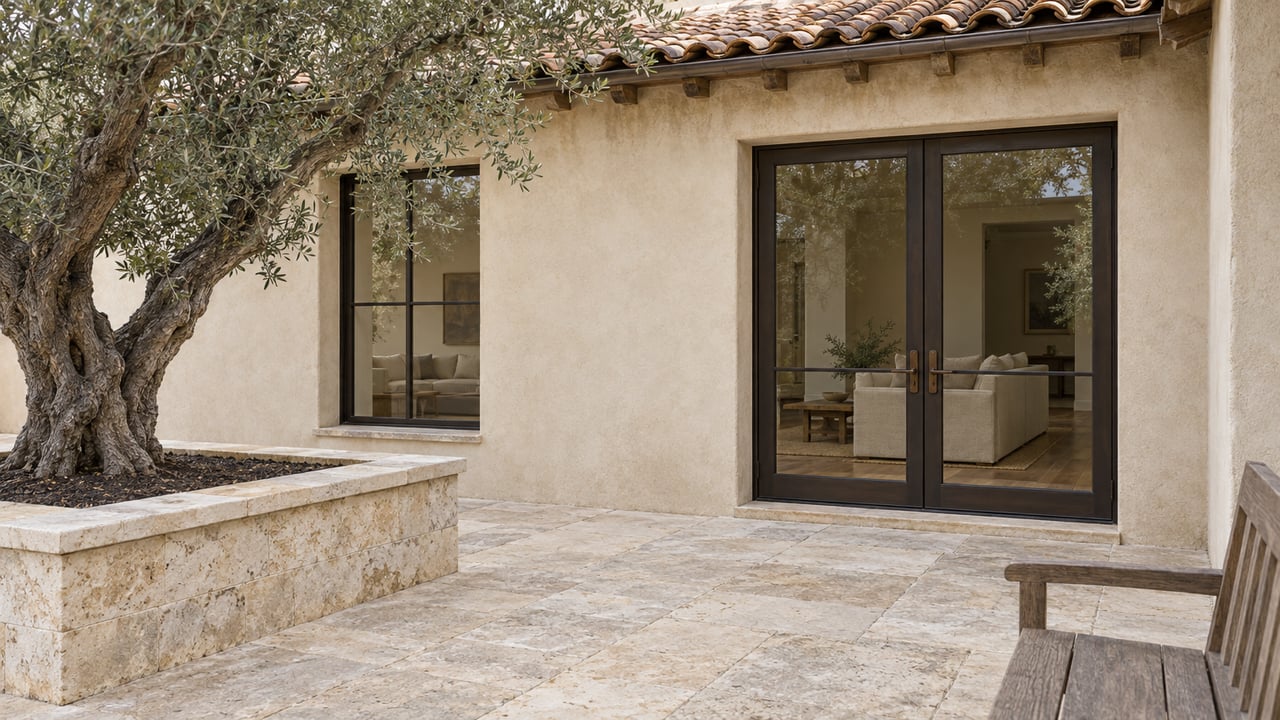
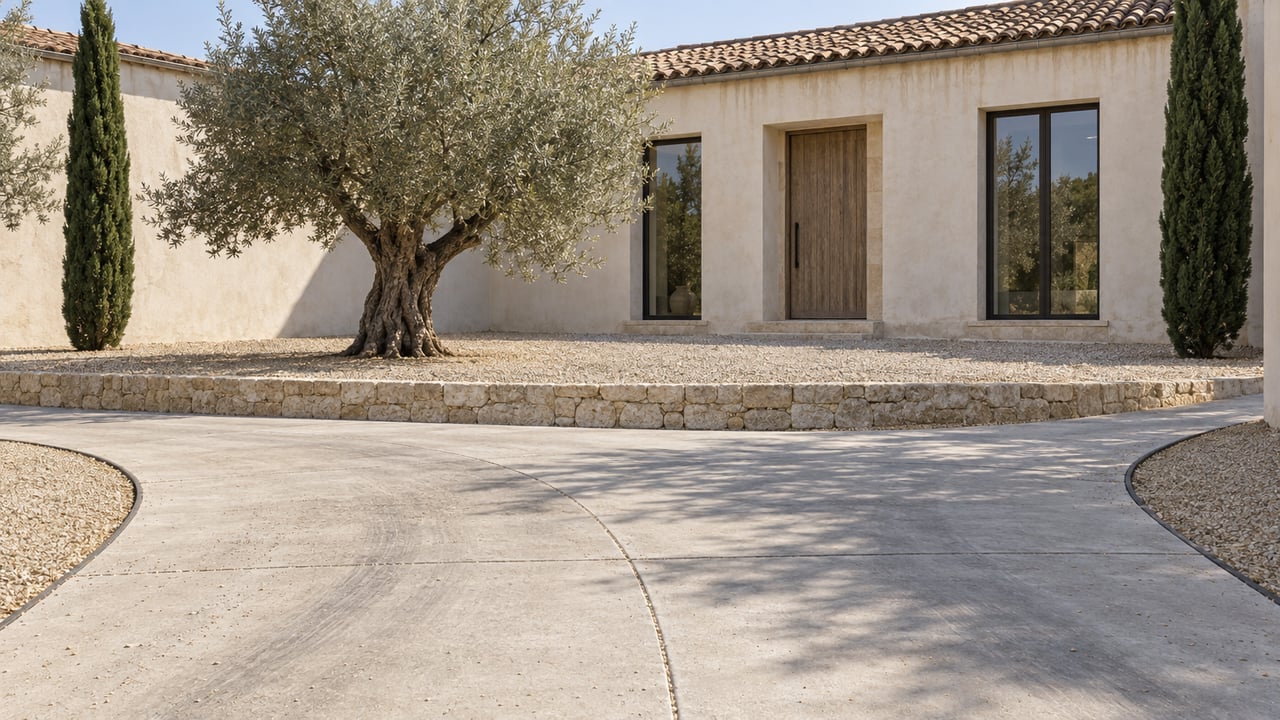
On July 18, 2026, a private tour bus clipped a fire hydrant on a St. Helena street and sent a plume of rust-tinted water into the gutter. City crews spent the better part of a week flushing lines and posting daily water quality updates, the kind of routine most residents scroll past without a second thought. But the timing made it impossible to ignore. The city was in the middle of drafting its formal response to a county civil grand jury report that had, three weeks earlier, put St. Helena's entire water system under a magnifying glass.
For a buyer circling a listing in St. Helena right now, that collision is a footnote. The report is not. It is the most detailed public account in years of exactly where the city's water system stands, and it surfaces two mechanisms that affect real estate decisions in ways a comp sheet will never show. One touches anyone planning to remodel. The other touches anyone drawn to the kind of acreage property that sits just beyond the city's formal boundary, which describes a fair number of the estates that bring buyers to this part of Napa Valley in the first place.
What the Grand Jury Actually Found
The Napa County Civil Grand Jury released its report on June 24, 2026, under the title "Lapsed Leadership: St. Helena's Problematic Pipes and Murky Waters." The finding that matters most for a property owner is this: water rates in St. Helena have risen roughly 183 percent since 2011, yet the underlying distribution system, the mains and pipes that actually carry water to a home, remains in the same condition of deferred maintenance the city has been citing as justification for rate increases since its 2011, 2016, and 2023 rate studies.
The city's own account backs part of this up without contradicting it. Water leaving the Bell Canyon Water Treatment Plant tests clean, clear, and healthy. The discoloration and odor complaints residents describe originate further downstream, in aging pipes where mineral deposits, mostly manganese, have built up over decades. Fixing the plant was never the hard part. Fixing miles of underground pipe, much of it original to a system with no comprehensive condition assessment on record, is the open question. The grand jury gave the city until September 30, 2026 to complete that assessment and until December 31, 2026 to produce a funded, dated plan for the repairs.
The city has pushed back on parts of the report's framing. At an August 11 council meeting, members directed staff to soften the language of the formal response and to partially rather than fully disagree with each finding, while acknowledging that recurring taste, odor, and color complaints are real and that further capital investment is necessary. Whatever the final tone of that response, the facts driving it are not in dispute: a five-year capital plan identifies more than $51 million in water-related projects, and close to 39 percent of the funding for those projects has not yet been identified.
None of this means St. Helena water is unsafe. It means the carrying cost of owning here, and the timeline for certain kinds of construction, are tied to an infrastructure story that is still being written.
The Bedroom Rule Nobody Mentions During a Remodel
St. Helena's Water Neutral Policy for Development requires that any project increasing a home's water demand offset that new demand before the city issues a permit, typically by funding conservation elsewhere in the system. The mechanism itself is common enough in water-constrained California towns. The detail that catches buyers off guard is how the city defines the trigger.
Under the policy, a bedroom is not limited to a room with a closet and a door that says "bedroom" on the floor plan. Offices, dens, and television rooms count as bedrooms for the purpose of calculating water demand. That means a buyer who closes on a St. Helena property with plans to convert a garage into a home office, or add a media room to an existing footprint, may be adding what the city legally treats as a bedroom, which can pull the project into a water-neutrality review before a permit is issued.
For most buyers this shows up late, often after an architect has already drawn plans around a program that assumes rooms are just rooms. It rarely shows up in a listing description, and it is not the kind of detail a general contractor volunteers unprompted. It belongs on the list of questions a buyer's representative should be asking before a remodel gets designed around a floor plan the water system was never built to support.
The Other Status That Isn't on the Listing Sheet
The second mechanism matters even more for the estate buyer who wants acreage, privacy, and distance from town, because it applies specifically to that kind of property.
St. Helena provides water to more than 30 customers located outside its official city limits under what are called Outside Service Area Agreements. These arrangements are common among larger parcels that sit just beyond the boundary but were connected to city water decades ago, often before the surrounding land was subdivided into the estate lots that now define much of the area's luxury inventory.
The grand jury recommended that the city adopt, by September 30, 2026, a differentiated rate structure that would apply surcharges specifically to Outside Service Area customers, along with separate surcharges for customers in elevated locations. The report also flagged a related equity issue: customers receiving water under these agreements benefit from infrastructure improvements funded by Measure H, a local bond measure, without paying the property tax that repays the bond. Whether or how the city adopts these surcharges is still unresolved. State law requires a formal response to the grand jury within 90 days of the report, and the city's rate consultants have already noted that any location-based or in-city-versus-outside pricing structure has to satisfy a legal "nexus" requirement under Proposition 218, the same law that has shaped every water rate fight in California for the past two decades. That is a real legal hurdle, not a formality, and it is one reason a similar surcharge on the Meadowood resort was eliminated back in 2016 rather than expanded.
What is settled is that the conversation is now on the record, with a deadline attached. A buyer evaluating an estate property on an Outside Service Area Agreement today is buying into a rate structure that regulators have already recommended changing. That does not mean the surcharge is coming. It means the possibility is no longer theoretical.
Why This Rarely Surfaces Before Closing
Most Napa Valley purchases at this price point close in cash, without a lender requiring the kind of utility and infrastructure review that a financed transaction elsewhere might mandate as a matter of course. That speed is one of the real advantages of buying here. It is also exactly why questions like these tend to fall through the cracks unless someone is asking them on purpose.
Before making an offer on a St. Helena property, particularly one with renovation plans or one located outside the formal city limits, it is worth confirming a short list of details directly:
- Is the parcel inside St. Helena city limits, or served under an Outside Service Area Agreement
- Is the property on a private well, city water, or some combination of the two
- If renovation is planned, does the design add any room that could be classified as a bedroom under the city's Water Neutral Policy
- What is the property's current water meter size, since base service fees are tied to meter size rather than usage alone
- Has the seller received any correspondence from the city regarding water rates, surcharges, or the Water and Wastewater Advisory Committee's ongoing review
None of these questions require a public records request or a specialized consultant. They require someone who already knows which questions this particular market raises, and who asks them before an offer is written rather than after an escrow is already open.
Frequently Asked Questions
Does the Water Neutral Policy apply to every remodel? Only to projects that increase water demand, most commonly by adding what the city classifies as a bedroom. A cosmetic renovation that does not add square footage used as an office, den, or additional living space typically does not trigger a review, but any project touching room count or use should be checked against the policy before design work is finalized.
Are the Outside Service Area surcharges definitely happening? Not yet. The grand jury recommended a September 30, 2026 deadline for the city to adopt a differentiated rate structure, but the city must first navigate the Proposition 218 nexus requirement, and its formal response to the report is still being finalized. Buyers evaluating an Outside Service Area property should treat this as a developing situation worth tracking through closing, not a settled cost.
What if the property is on a private well instead of city water? The Water Neutral Policy and the Outside Service Area rate questions apply specifically to properties connected to the city's water system. A well-served parcel is governed by a different set of county rules around well permitting and water availability, which is a separate due-diligence conversation worth having on its own terms.
St. Helena's water story is still being written in real time, with deadlines landing through the end of 2026 and into 2027. For a buyer weighing an estate here, that timeline is not a reason to wait. It is a reason to buy with someone who is already reading the same reports the city council is. Yvonne Rich has spent more than three decades navigating exactly this kind of local detail across St. Helena and the surrounding valley. Contact Yvonne to talk through what a specific property's water status actually means before you write an offer.