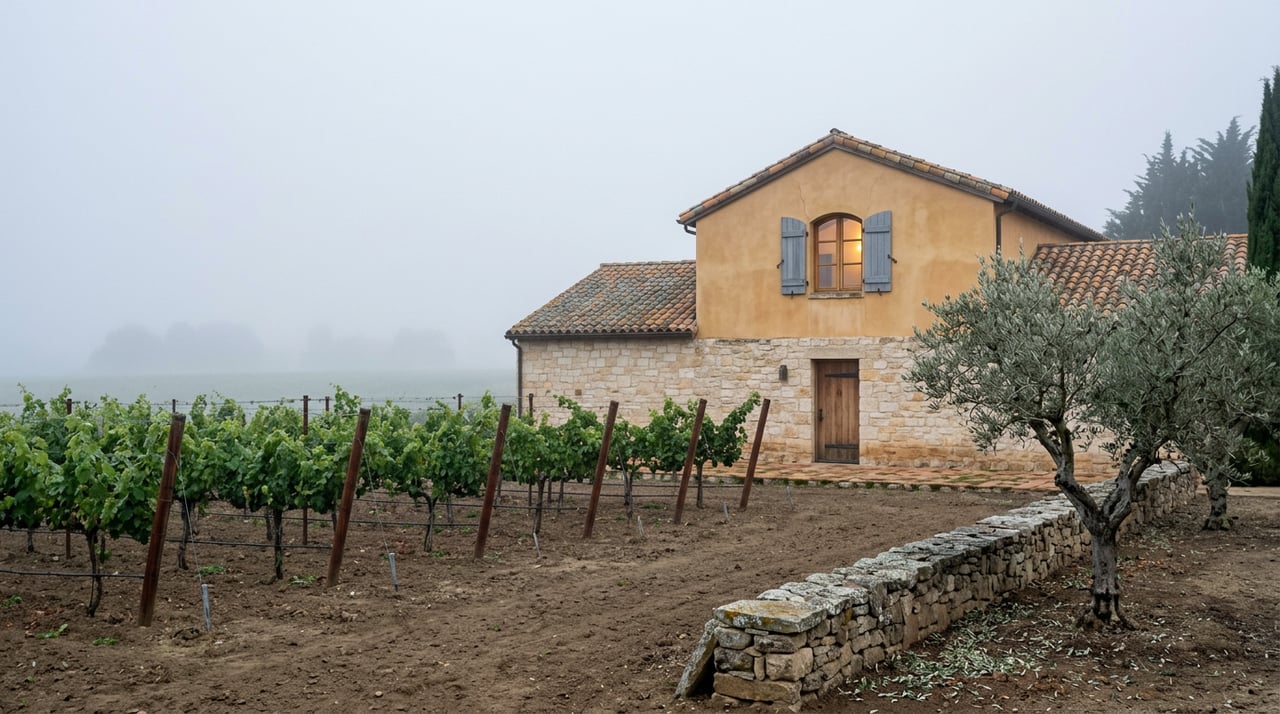
On July 17, 2026, the Farella family closed the sale of its longtime vineyard and winery in Coombsville, the volcanic amphitheater of vine just east of downtown Napa. The buyer, Realm Cellars, picked up 60 planted acres and winery buildings, with room to plant another 26. Tom Farella, who wrote the petition that turned Coombsville into a federally recognized appellation back in 2011, is staying on to farm the land and run his family's label under a lease with the new owner. His father Frank, who planted the estate's first Cabernet Sauvignon and Merlot against the advice of nearly every winemaker he knew, died in early 2025. Tom wanted to keep going. His siblings did not. That split forced a sale on a timeline the market had nothing to do with.
Coombsville became Napa's sixteenth and newest American Viticultural Area in December 2011, an 11,000-acre bowl of hills cooled daily by fog and afternoon breeze off San Pablo Bay. Only a small share of that ground, roughly 13 percent, is actually planted to vine, which keeps genuinely available vineyard sites scarce before anyone even asks who's willing to sell. Right now this appellation is having a moment, with headline sales piling up in a stretch most Napa buyers barely glanced at five years ago. The easy read is that demand finally discovered an appellation that deserved the attention all along.
Look at who's actually buying and a different pattern shows up. Nobody found these vineyards cold. Every marquee Coombsville sale over the past two years closed with a buyer who already had a working relationship to that exact piece of ground.
The Pattern Isn't Capital. It's Access.
Realm had been buying Farella's fruit since 2003 and managing the vineyard directly since 2018. Realm's owner, Scott Becker, has said the deal felt personal as much as strategic, since Frank Farella was among the first people he met when he entered the wine business, and Realm's own reputation was built in part on fruit from this estate. Simon Family Estate, the boutique label that closed on the Collinetta Vineyard for roughly 4 million dollars, had already been sourcing Collinetta fruit for every vintage since its 2019 debut. Marchesi Antinori's purchase of the Arcadia Vineyard reunited the site with the Stag's Leap lineage that Warren Winiarski, founder of Stag's Leap Wine Cellars, established when he bought Arcadia in 1996 to grow Chardonnay for his own winery.
None of these three deals began with a stranger stumbling onto a listing. They began with a fruit contract, a farming agreement, or a winery's own history attached to that specific ground.
Vineyard | Buyer, 2025-2026 | What Changed Hands | Relationship Before the Sale |
|---|---|---|---|
Farella Vineyard | Realm Cellars | 60 planted acres plus room for 26 more, closed July 17, 2026 | Fruit buyer since 2003, vineyard manager since 2018 |
Collinetta Vineyard | Simon Family Estate | Roughly 4 million dollars for 4 hectares | Sourced fruit for every vintage since 2019 |
Arcadia Vineyard | Marchesi Antinori | 34 hectares, about 84 planted acres of a 135-acre property, terms undisclosed | Historic tie to Stag's Leap Wine Cellars dating to Winiarski's 1996 purchase |
What Four Million Dollars For Four Hectares Actually Tells You
Run the math on Collinetta and the number gets interesting. Four hectares works out to close to 10 acres, which puts the sale at roughly 400,000 dollars an acre. That figure sits alongside what Napa's most established appellations, places like Rutherford and Howell Mountain, have commanded for their top Cabernet ground in recent years. Coombsville, by the usual industry tiering, sits a rung below those names, grouped with Calistoga, Yountville, and Atlas Peak in the secondary category.
The math didn't respect the tier, at least not for this parcel. That doesn't mean Coombsville land in general has caught up to Rutherford pricing. It means that once a buyer already has several vintages of relationship with a specific 10 acres, the appellation label stops setting the price. What Simon Family Estate underwrote wasn't Coombsville as a category. It was a fruit source they had already built a wine around.
What This Means If You're the One Selling
If you own vineyard land in Coombsville and you're weighing a sale, these deals suggest your real buyer pool may exist before you ever list. Wineries you've sold fruit to for years, or a family member already inside the operation, are the parties most likely to move first and move seriously. A pre-marketing conversation with your existing fruit buyers, or a structured process that gives them first opportunity, often produces a stronger and faster outcome than a cold listing aimed at buyers with no history on your land.
Lease-back terms deserve to be negotiated up front, not bolted on after price is settled. The Farella structure, where Tom Farella keeps farming and running his own label under new ownership, protected the fruit source Realm wanted and the identity the family wanted to keep. That kind of arrangement has to be part of the conversation from the start.
What This Means If You're Buying In
Buyers hoping to break into Coombsville on price alone should treat the tier label as a starting point, not a ceiling. The properties that actually close at scale here are the ones where the buyer spent years building a relationship with the grower or the site long before any sign went up. If you're serious about a specific vineyard in this appellation, the work is less about waiting for a listing and more about becoming the buyer a grower would call first, whether that means a standing fruit contract, a farming partnership, or simply years of showing up.
Expect a lease-back or continuity clause to come with the property as well. That can mean the seller's family stays on to farm, or keeps rights to an existing wine label for a period, which affects how quickly you gain full operational control and how you should structure financing around that timeline.
Frequently Asked Questions
Does a lease-back mean the vineyard keeps the seller's name on the label? Only if the deal is written that way. In the Farella sale, Tom Farella keeps producing roughly 1,000 cases a year of Cabernet Sauvignon and Sauvignon Blanc under his own label while leasing access to the winery from Realm. Other structures transfer full label rights to the buyer outright. Read the lease and licensing terms as their own negotiation, separate from the purchase agreement, since one doesn't automatically follow the other.
Is Coombsville actually underpriced compared to Rutherford or Howell Mountain? Not evenly. The Collinetta sale shows a specific, relationship-backed parcel can command pricing close to Napa's top tier even while the appellation as a whole is still classified below it. Treat any published per-acre range for Coombsville as a floor rather than a ceiling once a site already has a buyer attached to it.
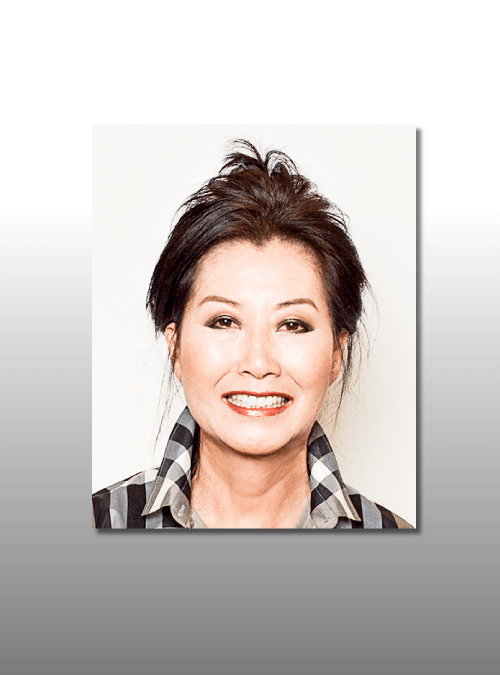
Coombsville rewards people who understand it as a network of relationships as much as a wine appellation. Whether you're weighing a succession sale on family vineyard land, or trying to find a way into an appellation where the best sites rarely reach an open listing, Yvonne Rich has spent decades inside Napa Valley's vineyard and winery transactions, the kind that get built on relationships long before they ever get built on price. Contact Yvonne to talk through what a Coombsville property, or a succession sale anywhere in Napa Valley, actually requires.