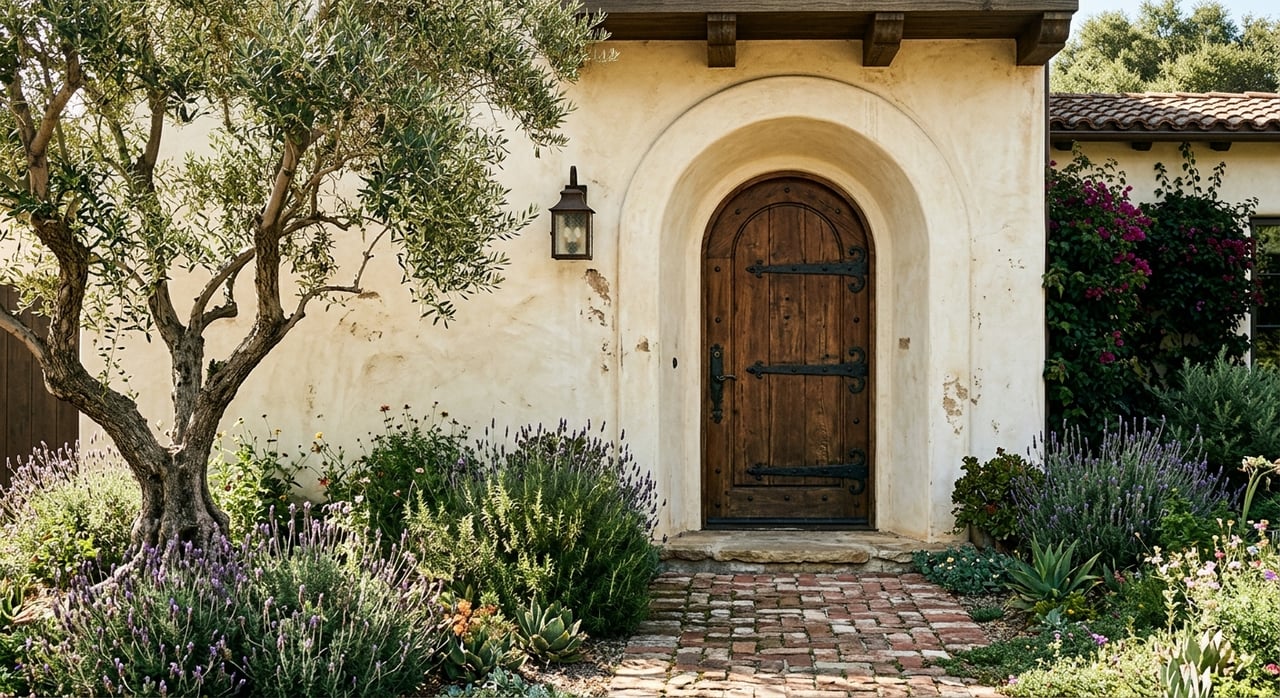
If you own a character home in St. Helena, you already know it is not just another listing. It may carry original millwork, vintage windows, a distinctive porch, or a place in the city’s architectural story. When you are ready to sell, the challenge is presenting that character in a way that feels polished, credible, and market-ready. This guide will show you how to prepare, price, and position a St. Helena character home with confidence. Let’s dive in.
Why St. Helena character homes stand apart
St. Helena has a strong sense of place rooted in its history. The city ties its development to the arrival of the railroad in 1868, the growth of vineyards and winemaking, and a downtown area with three blocks listed as a National Historic District. City materials also describe St. Helena as rich in historic resources from the mid-19th to mid-20th century.
That backdrop matters when you sell a character home. Buyers are often drawn to provenance, craftsmanship, and the connection between the home and the wider Napa Valley setting. In St. Helena, that story can feel especially meaningful because preservation is part of the community fabric, not an afterthought.
At the same time, history alone does not sell a home. Recent market snapshots point to a high-price market that can also move slowly, with median days on market reported at 116 by Redfin for the three months ending April 2026 and 132 by Realtor.com in its December 2025 snapshot. That means even distinctive homes benefit from disciplined preparation and realistic pricing.
Know your property’s preservation context
Before you make repairs or schedule cosmetic updates, it helps to understand whether your home falls within St. Helena’s Historic Preservation Overlay or has another local historic designation. The city’s Historic Preservation Overlay is intended to safeguard the city’s historic and architectural character. It applies to parcels on the overlay map, local-register properties, local historic districts, and designated historic resources.
This is important because sale preparation can cross into city review questions more quickly than many sellers expect. Infill development in the overlay requires Design Review approval by the Planning Commission, and visible exterior changes that do not fit local standards may trigger a higher level of review. Demolition and design review are treated by the city as discretionary actions that require approval.
If your property has a Mills Act contract, that matters too. The California Office of Historic Preservation and Napa County describe Mills Act contracts as local-government agreements for qualified historic properties that may provide property tax relief in exchange for ongoing preservation and maintenance obligations. If that applies to your home, a buyer should understand that the contract transfers with the property.
Preserve first, modernize carefully
One of the biggest mistakes sellers make with character homes is overcorrecting. In St. Helena, the local code favors retaining original character-defining features and materials. That includes items like doors, windows, siding, trim, porch design, roof form, and compatible materials.
The city also discourages some contemporary substitutes, including vinyl siding and foam trim. So if you are wondering whether you need to replace older features before listing, the answer is often no. In many cases, careful repair and thoughtful presentation are more appropriate than replacement.
That approach can also be more effective from a marketing standpoint. Buyers looking at character homes are usually not expecting a generic, fully reworked finish. They often respond better to authenticity, especially when original details are intact, functional, and well maintained.
Focus on the details buyers notice
When buyers first encounter your home online, they are making quick judgments. According to NAR, 81% of buyers rated listing photos as the most useful feature in their online home search. For a St. Helena character home, that makes visual presentation especially important.
Your goal is not to make the home look trendy. Your goal is to make it look cared for, coherent, and easy to appreciate. That starts with highlighting the elements that give the property its identity.
Consider prioritizing:
- Original windows and doors
- Millwork and trim
- Porch details and entry sequence
- Masonry and chimney features
- Rooflines and exterior symmetry
- Mature landscape setting
- Light-filled interior rooms with architectural texture
These details support a stronger first impression and help buyers understand why the home is special. They also create better photography and more memorable marketing.
Stage for warmth, not disguise
Staging can make a meaningful difference, especially in a market where buyers may take time before making an offer. In NAR’s 2025 Profile of Home Staging, 83% of buyers’ agents said staging made it easier for buyers to visualize the property as a future home. The same report found that 29% said staging increased the dollar value offered by 1% to 10%.
For character homes, staging works best when it supports the architecture instead of competing with it. That usually means a clean, edited look with scale-appropriate furnishings and a restrained palette. The home should feel elevated and inviting without losing its original personality.
The rooms that deserve the most attention are also the ones buyers tend to care about most. NAR identified the living room, primary bedroom, and kitchen as the most important rooms to stage. If your budget is selective, start there.
Price with discipline, not nostalgia
It is easy to attach emotional value to a home with history. It is harder, and more important, to attach market value to it. In St. Helena, current data suggest that pricing needs to be grounded in present conditions rather than aspiration.
Realtor.com’s December 2025 snapshot reported a 96% sale-to-list ratio and average sold prices about 4.08% below asking. Paired with longer days on market, that signals a clear message: buyers may appreciate charm and heritage, but they still evaluate condition, location, and comparable sales carefully.
A strong pricing strategy for a character home should account for:
- Current St. Helena comparables
- The home’s condition and level of upkeep
- The value of intact original details
- Any known review or preservation obligations
- The difference between tasteful authenticity and deferred maintenance
The right price invites serious attention. An inflated price can cause a distinctive property to sit, which often weakens negotiating position over time.
Tell a specific St. Helena story
Marketing a character home should do more than describe square footage and finishes. It should explain what makes the property distinct in a factual, grounded way. In St. Helena, that story has real substance.
The city’s history materials connect the town to the railroad, early vineyards, downtown preservation, and its role as a commercial center in central Napa Valley. That gives you useful context for describing a home’s setting and sense of place. It also helps avoid vague wine-country language that can feel interchangeable from one listing to the next.
The strongest storytelling is specific. Instead of relying on broad adjectives, it should point to craftsmanship, original materials, architectural features, and the home’s relationship to St. Helena’s established historic character. That kind of language feels more credible and more compelling to discerning buyers.
Build the right pre-listing team
Selling a distinctive home often requires more coordination than selling a standard property. In this market, specialist support is justified by buyer behavior and by the local review environment. A polished listing usually depends on more than a sign in the yard.
The most useful support team may include:
- A historic-home-savvy stager
- A real estate photographer skilled at architectural details and daylight composition
- A listing agent comfortable navigating city review questions tied to exterior changes or preservation context
This matters because every decision builds on the next one. If the prep work is thoughtful, the photography is strong, and the pricing is realistic, the home enters the market with much more authority.
What confidence looks like when you sell
Confidence is not guessing that the home will speak for itself. Confidence is understanding what you own, what the market is doing, and how to present the property with care. In St. Helena, that often means leaning into authenticity while staying disciplined about condition, disclosure, pricing, and visual presentation.
A character home can absolutely stand out in this market. But it stands out best when the details are preserved, the story is clear, and the strategy matches current buyer expectations. That is where local knowledge and polished execution make a real difference.
If you are thinking about selling a character home in St. Helena, working with an experienced local advisor can help you make smart decisions before your home ever goes live. To start the conversation, connect with Yvonne Rich.
FAQs
Do I need to replace old windows, doors, or siding before selling a St. Helena character home?
- Not necessarily. St. Helena’s Historic Preservation Overlay favors retaining and repairing original features and discourages some contemporary substitute materials such as vinyl siding and foam trim.
Does historic status help or hurt the sale of a St. Helena home?
- It often helps when it is explained clearly. Historic status can strengthen the property story and, in some cases, involve tax benefits through a Mills Act contract, but it may also come with maintenance or review obligations buyers should understand.
What matters most to buyers shopping for character homes in St. Helena?
- Buyers tend to respond to a polished first impression, strong listing photography, and spaces that are easy to visualize. Careful staging and clear presentation can support that.
Why is pricing so important for a distinctive St. Helena property?
- Recent market snapshots show relatively long days on market and sale prices that often come in below asking. That means even unique homes usually benefit from evidence-based pricing tied to condition, location, and comparable sales.
What should sellers highlight when marketing a St. Helena character home?
- Focus on original architectural details, craftsmanship, preserved materials, and the home’s connection to St. Helena’s historic setting. Specific, factual storytelling is usually more effective than generic lifestyle language.