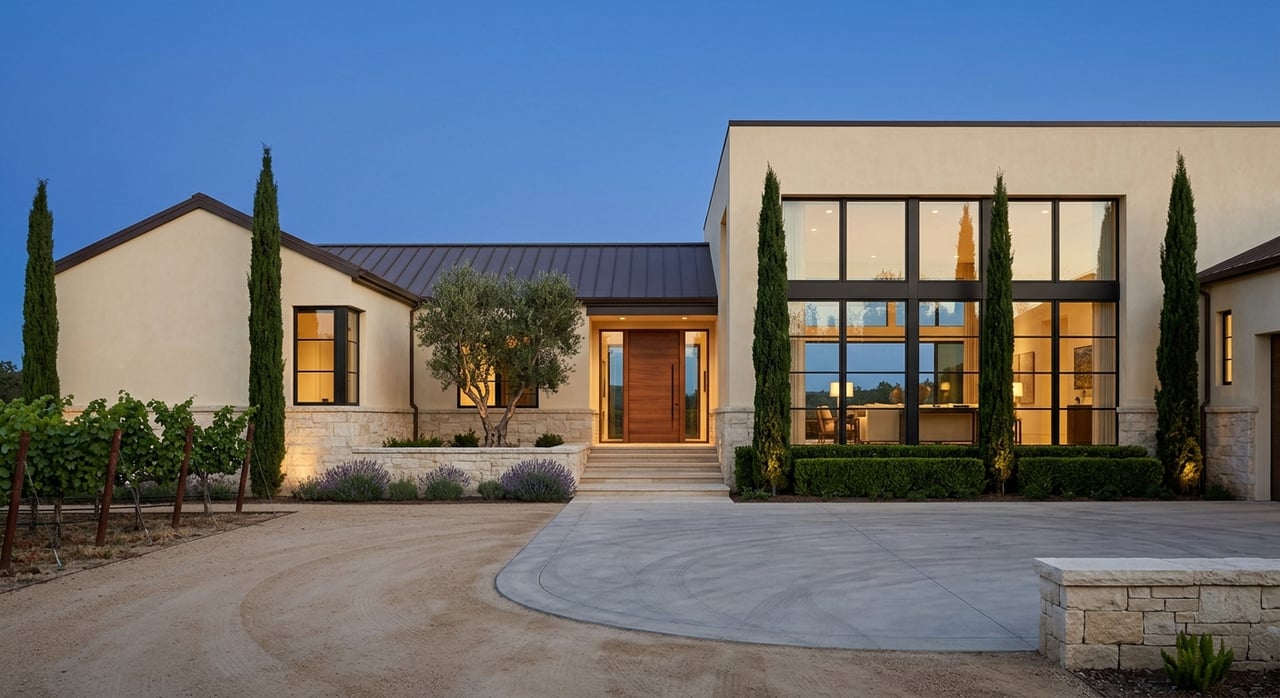
If you assume Napa’s luxury market always moves at a sprint, today’s numbers may surprise you. Buyers often come to Napa expecting intense competition, fast decisions, and little room to negotiate, yet the current market tells a more nuanced story. When you understand how inventory, timing, and property type shape the landscape, you can make smarter decisions and buy with more confidence. Let’s dive in.
Napa luxury is active, not uniformly rushed
Napa County remains a highly desirable luxury market, but that does not mean every property sells instantly or at full asking price. As of the latest April 2026 releases, California Regional Multiple Listing Service data reported a March 2026 median sold price of $858,679 for existing detached homes in Napa County, along with 7.4 months of unsold inventory and 97 median days on market.
That matters because it points to a market with meaningful selection and a slower pace than many buyers expect in a wine country setting. These county figures are for existing single-family detached homes only, so they are best used as a broad benchmark rather than a complete definition of Napa’s luxury segment.
Other market sources support the same general takeaway. Redfin’s Napa County data showed a March 2026 median sale price of $832,500, a 97.5% sale-to-list ratio, and 57 days on market, while Realtor.com reported 830 active listings, a $1.28 million median sale price, 47 days on market, and a 98% sale-to-list ratio.
The exact medians differ because each source uses a different sample. Still, the pattern is consistent: buyers are not looking at a market where every seller holds all the leverage.
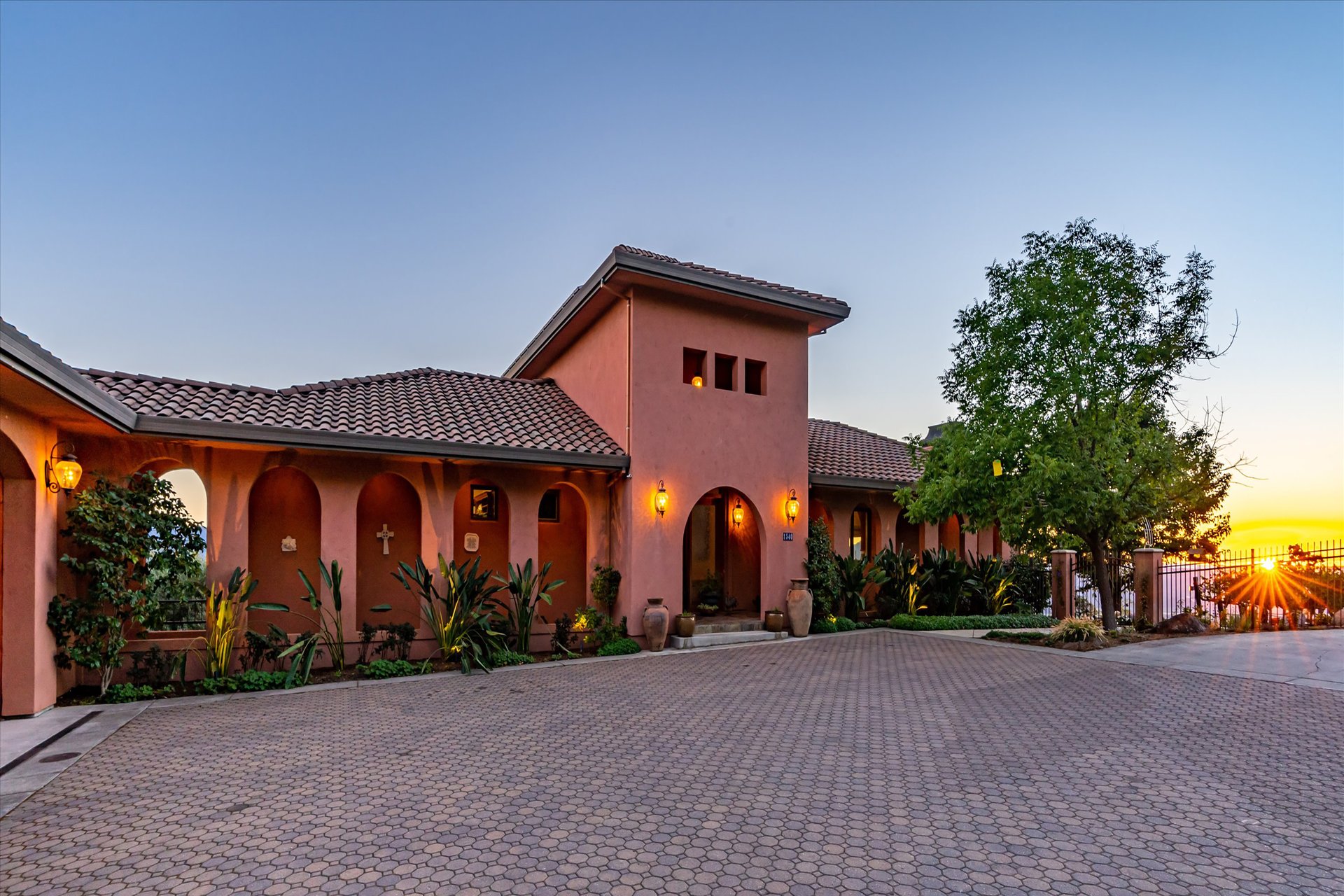
Source (Yvonne Rich Real Estate - www.1340NapaValley.com )
Inventory changes how buyers should think
In many luxury markets, buyers feel pressure to act first and ask questions later. In Napa right now, the data suggests a more measured approach often makes sense.
Redfin’s Napa County luxury snapshot counted 478 luxury homes for sale at a median listing price of $1.2 million, with homes typically spending 54 days on market and receiving about 2 offers. That does not describe a market where urgency alone wins. It describes a market where preparation and property-specific judgment can matter more than speed by itself.
For you as a buyer, that means strategy starts with clarity. Instead of assuming you need to overreach quickly, you may have room to study recent comparable sales, evaluate condition carefully, and negotiate terms that protect your interests.
Napa is not one market
One of the biggest mistakes luxury buyers make is treating Napa County as a single, uniform market. In reality, pricing, negotiation room, and inventory can shift significantly from one town to another.
Realtor.com’s March 2026 data shows the city of Napa with 541 homes for sale and a $1.18 million median listing price, with homes selling for about 1.82% below asking on average. St. Helena showed 99 homes for sale with a $1.84 million median listing price, and homes selling about 3.07% below asking.
Calistoga looked different again. It had 64 homes for sale, a $1.76 million median listing price, and homes selling about 6.49% below asking on average.
Those differences are meaningful. A pricing strategy that makes sense in Napa may be too aggressive in one submarket and not aggressive enough in another.

Source (Yvonne Rich Real Estate - www.1315NapaValley.com )
Micro-markets matter even more at the top
At the upper end of the market, broad county numbers become even less useful. That is especially true when inventory is thin and individual properties are highly distinctive.
BAREIS March 2026 reporting showed average sold prices of roughly $938,900 in Napa, $1.63 million in Calistoga, and $2.53 million in St. Helena. Those figures help show the hierarchy inside the valley, but they should be read directionally because some towns had very small monthly sample sizes.
That same report highlights why buyers need a hyperlocal lens. March 2026 residential sales counted 65 in Napa, 7 in Calistoga, 6 in St. Helena, 3 in Yountville, and 1 in Rutherford.
When sales volume is that limited, one countywide comp set is too blunt to guide a serious luxury purchase. In practice, your offer strategy should be built around the exact town, the specific location, the property’s features, and how many truly comparable listings exist right now.
How Napa compares with nearby wine country
If you are comparing Napa with Sonoma, the current contrast is worth noting. In March 2026, Napa County’s detached-home median sold price was similar to Sonoma County’s, at $858,679 versus $862,500.
But Napa moved more slowly. Napa posted 97 days on market and 7.4 months of unsold inventory, while Sonoma showed 55.5 days on market and 3.9 months of unsold inventory.
For buyers deciding between wine country options, that suggests Napa may offer more patience and more room to negotiate than some nearby alternatives. That does not mean every Napa listing is a bargain. It means buyers may be able to approach the process with more discipline and less pressure.
What negotiation looks like in Napa
Countywide, Realtor.com shows homes selling at about 98% of asking on average. Looking closer, the city of Napa tracked near 98%, St. Helena around 97%, and Calistoga about 94%.
That spread is useful because it shows negotiation is real, but uneven. You should not walk into every deal expecting the same discount, especially in a market where one architecturally significant estate or well-located vineyard property may have very few substitutes.
A smart luxury buyer usually asks a few key questions before setting an offer price:
- How many close substitutes are currently available?
- How long has the property been on the market?
- Has the property had price adjustments?
- Is the value driven mainly by the residence, the land, or both?
- Are there property-specific issues that affect timing or cost?
In-town luxury homes often call for precision rather than complexity. That usually means relying on very recent neighborhood comparables and writing a clean residential offer with standard contingencies that fit the property.
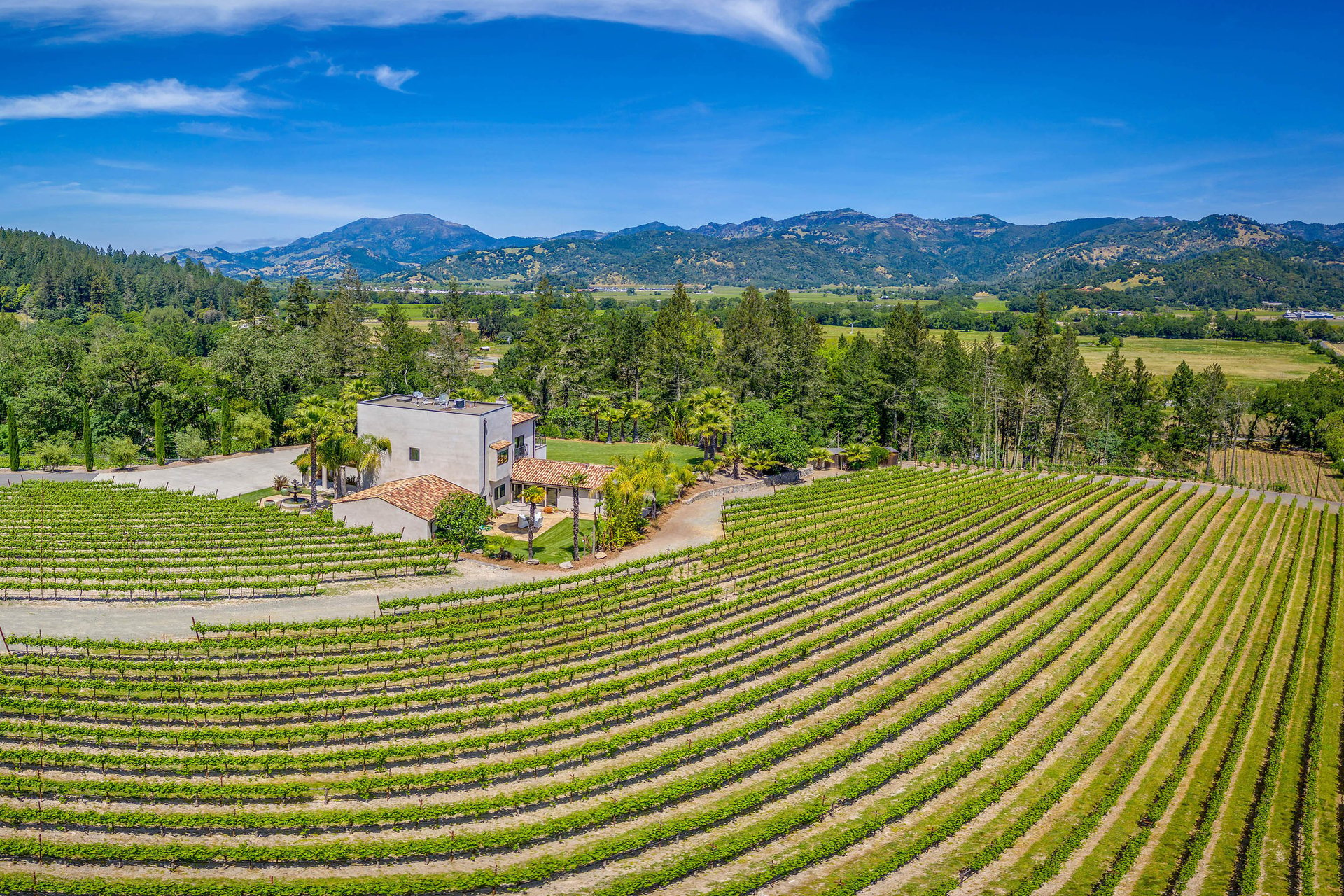
Source (Yvonne Rich Real Estate - www.4447NapaValley.com )
Vineyard estates require a different playbook
When a Napa purchase includes vineyard land, agricultural zoning, or winery-related components, the strategy changes. These are not just luxury homes with prettier views. They can involve a very different diligence stack that affects value, financing, timing, and long-term use.
Napa County’s Williamson Act program is one example. The program applies to AP or AW parcels and generally requires 10 acres of prime land or 40 acres of non-prime land, though Napa County also offers a 5-to-10-acre path for some parcels that show a sustainable-farming commitment.
The tax treatment can matter because assessed value may be reduced to the lowest of agricultural-income value, factored Proposition 13 base-year value, or current market value. Napa County reported 84,213 acres across 925 parcels under contract as of January 1, 2022.
For a buyer, that means agricultural status is not a footnote. It can affect both economics and due diligence, so it should be reviewed early.
Water and wastewater are core issues
In Napa, water and wastewater capacity can be central to the value and usability of vineyard estates and winery properties. Napa County’s Well and Onsite Wastewater subdivision regulates water wells, alternative sewage systems, winery wastewater ponds, and holding tanks, and it reviews use permits, building permits, and lot line adjustments for compliance.
That makes these systems a front-end issue, not a closing-week detail. If you are evaluating a vineyard estate or a winery-related asset, understanding the existing water and wastewater setup is part of understanding the property itself.
For winery uses, approvals may be layered. Napa County’s winery-use permit materials note that a winery may require building permits, environmental health permits, and stormwater discharge permits, and changes to water or wastewater systems must not increase water use or wastewater generation.
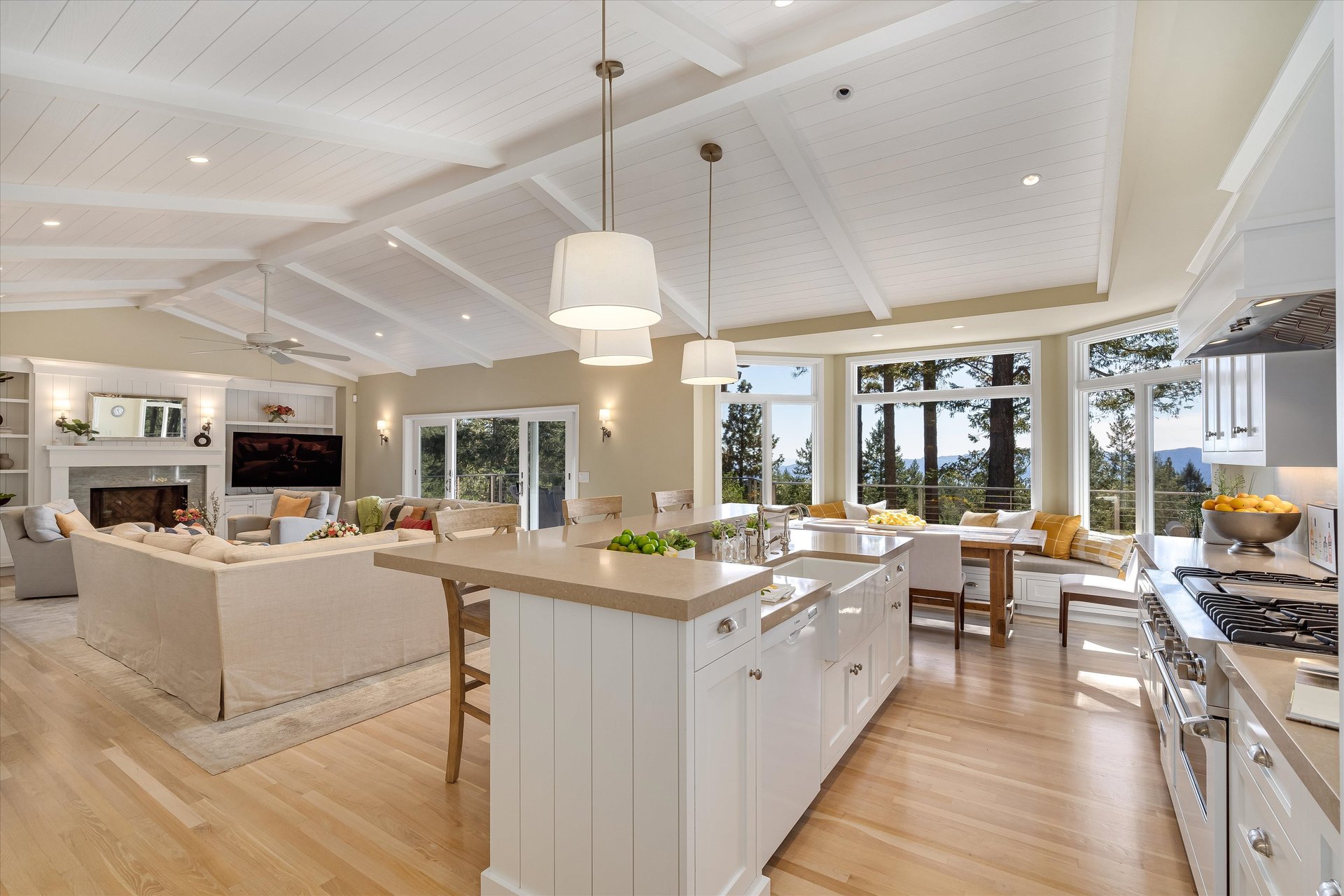
Source (Yvonne Rich Real Estate - www.1155NapaValley.com )
Permit history can shape value and timing
Luxury buyers often focus first on beauty, location, and privacy. In Napa’s more complex property categories, permit history can be just as important.
Napa County planning states that a new use permit or major modification can take 1 year or more, while very minor and minor modifications may take about 2 to 4 months. If permit history is unclear, the county’s status-determination process can clarify existing entitlements, and the county says most determinations are completed within 30 days.
That timing can directly affect your buying strategy. If a property’s current or future use depends on permits or entitlement clarity, your offer and contingency structure should reflect that reality from the start.
A 2024 Napa County micro-winery approval offers a practical example. The approved 5,000-gallon operation also required parking and access-road improvements, showing how site-specific infrastructure conditions can become part of the real cost and timeline of ownership.
A practical buyer strategy for Napa luxury
So what does all this mean if you are planning to buy in Napa now? In most cases, the winning strategy is less about rushing and more about combining patience with precise due diligence.
A helpful framework looks like this:
- Define your submarket clearly. Decide whether you are focused on Napa, St. Helena, Calistoga, Yountville, Rutherford, or another area, because each behaves differently.
- Separate lifestyle homes from complex assets. An in-town luxury home and a vineyard estate should not be evaluated the same way.
- Use narrow comparables. In thin luxury micro-markets, broad county averages are often too general.
- Negotiate from evidence. Days on market, sale-to-list trends, and property-specific conditions can support a disciplined offer.
- Build contingencies around the asset. For vineyard or winery properties, title, zoning or contract status, water and wastewater capacity, and permit history deserve explicit attention.
The broader takeaway is simple. In today’s Napa market, luxury purchases are often won through documentation, local insight, and thoughtful negotiation rather than urgency alone.
When you are buying in a market where lifestyle, land, and long-term value often overlap, that kind of strategy can protect both your investment and your peace of mind. If you want experienced guidance on a Napa Valley luxury home, vineyard estate, or winery property, Yvonne Rich offers the local knowledge, discretion, and transaction experience to help you move with confidence.

Source (Yvonne Rich Real Estate - www.3630NapaValley.com )
FAQs
How competitive is the Napa luxury real estate market in 2026?
- Napa County data points to an active but not uniformly fast market, with meaningful inventory, moderate days on market, and sale-to-list ratios that suggest buyers may have room to negotiate depending on the property and submarket.
How does St. Helena compare with Napa for luxury buyers?
- March 2026 data shows St. Helena at a higher median listing price than the city of Napa, with fewer listings and somewhat more average discount from asking, which means strategy should be tailored to the town and the specific property.
How much negotiation room do luxury buyers have in Calistoga?
- Realtor.com reported Calistoga homes selling about 6.49% below asking on average in March 2026, but individual results can vary widely because sales volume is relatively small and each luxury property is unique.
Why do vineyard estates in Napa require more due diligence?
- Vineyard estates can involve agricultural contract status, zoning, water supply, wastewater systems, permit history, and potential infrastructure requirements, all of which can affect value, use, and closing timelines.
What should buyers review before purchasing a Napa winery property?
- Buyers should closely review title, zoning, permit history, water and wastewater capacity, and any required county approvals because winery properties often involve layered regulatory and site-specific considerations.
Is Napa moving slower than Sonoma for buyers comparing wine country markets?
- March 2026 detached-home data showed Napa with longer days on market and a higher unsold inventory index than Sonoma County, suggesting buyers in Napa may have more time and flexibility in some situations.
Move Forward With a Napa Valley Strategy Built Around the Property
In Napa Valley, the right buyer strategy is never one-size-fits-all. A downtown Napa residence, a St. Helena estate, a Calistoga retreat, and a vineyard property each require a different lens. The strongest offers are built with local context, property-specific due diligence, and a clear understanding of where the market is creating opportunity.
If you are considering a Napa Valley luxury home, vineyard estate, or wine country property, experienced local guidance can help you move with confidence. Yvonne Rich brings decades of Napa Valley real estate knowledge, discretion, and negotiation experience to help buyers evaluate the market carefully and pursue the right property with a strategy that fits both the asset and the lifestyle behind it. Connect with Yvonne Rich to begin your Napa Valley property search with a trusted local expert.