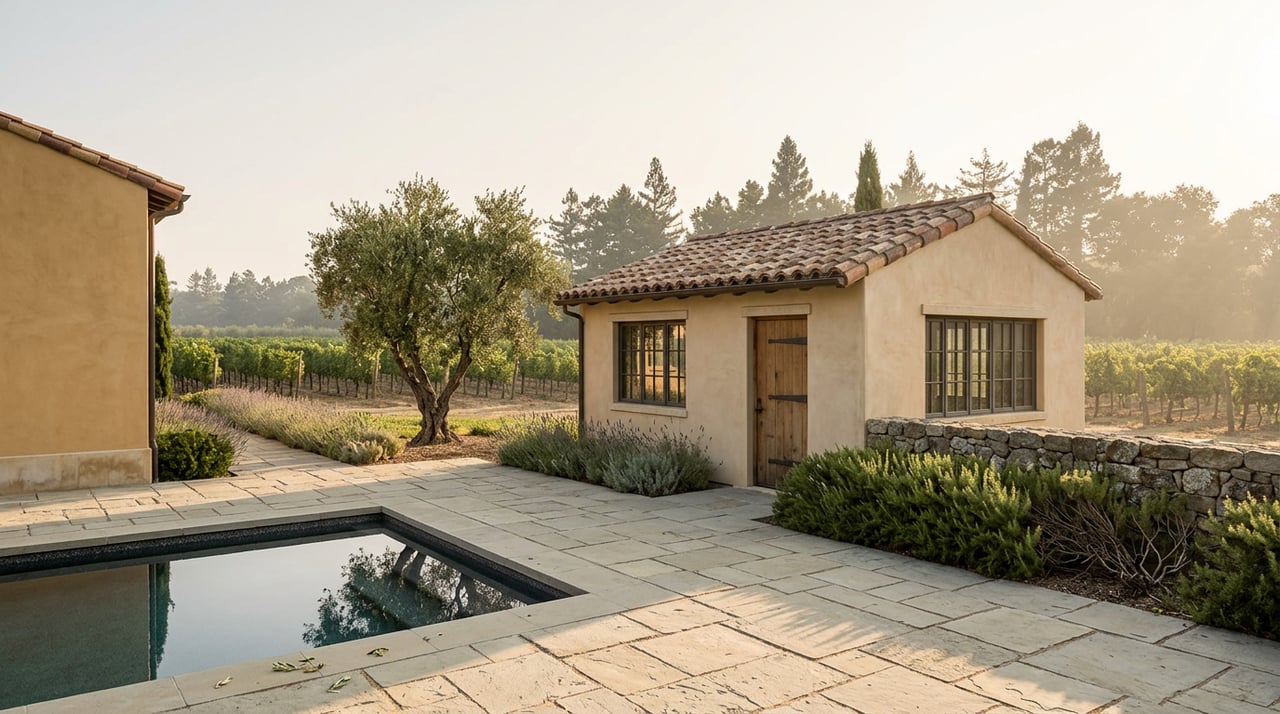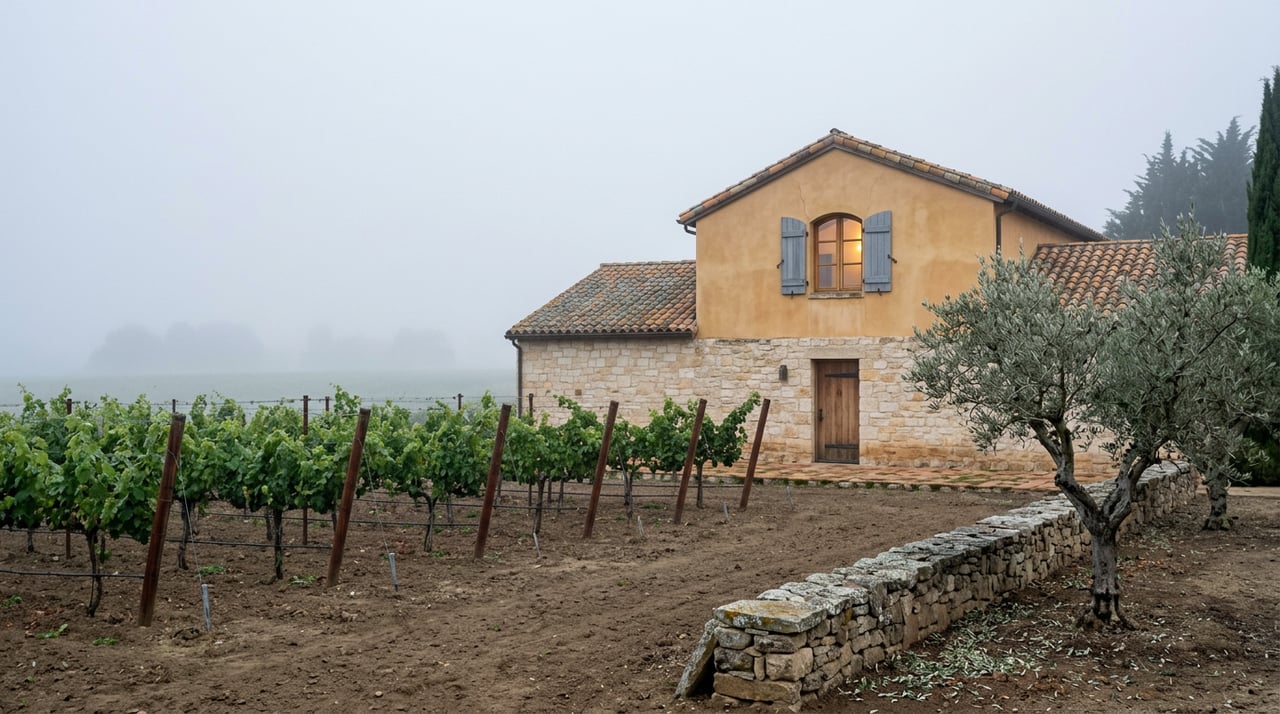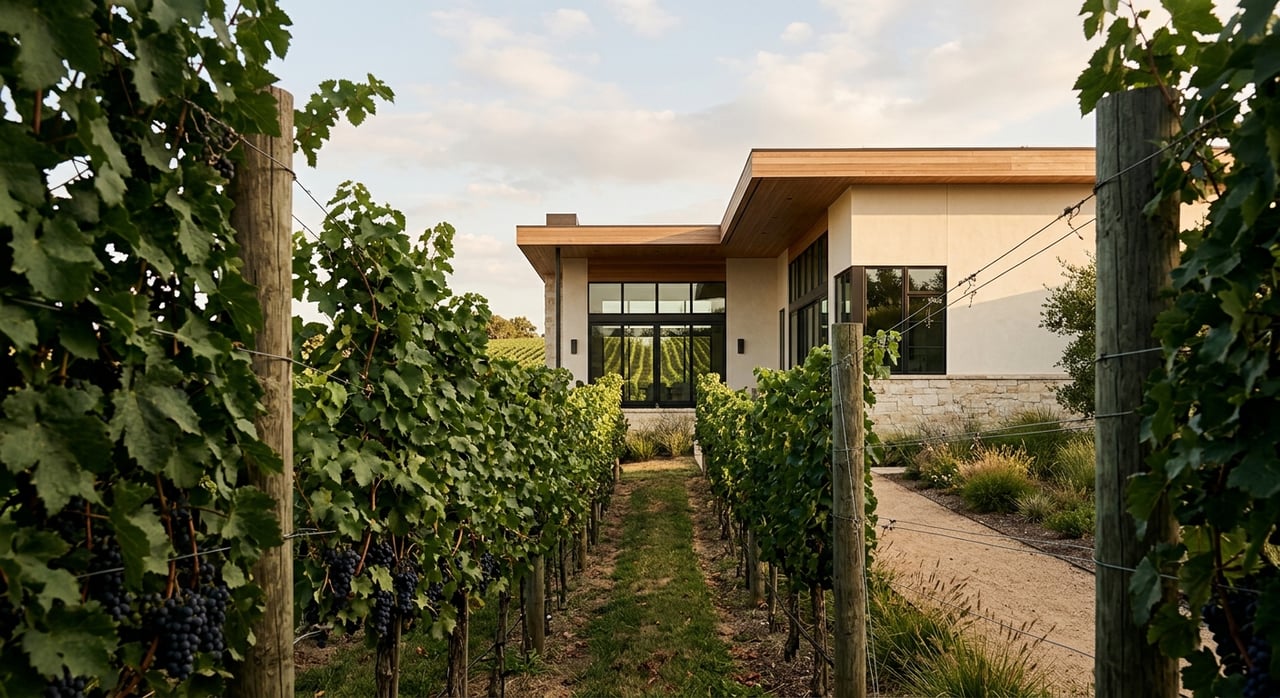
Are you buying a Calistoga vineyard estate for the view, the lifestyle, or a working agricultural asset? That question matters more than most buyers expect, because in Calistoga, two properties that look similar on paper can come with very different rules, costs, and long-term options. If you are considering a vineyard estate or luxury home in this part of Napa Valley, the right due diligence can help you avoid surprises and buy with confidence. Let’s dive in.
Know What You Are Really Buying
A Calistoga vineyard purchase can mean several different things. You may be looking at a home with vineyard views, a producing vineyard, raw land with vineyard potential, or a property that also includes winery or hospitality uses.
That distinction shapes nearly every part of your purchase. A beautiful estate property may function mostly as a private residence, while an operational vineyard or winery property may involve permits, reporting, infrastructure, and compliance that continue long after closing.
Confirm the Right Jurisdiction
In Calistoga, the approval path depends on where the parcel sits. The City of Calistoga Planning and Building Department reviews development inside city limits under the General Plan, Municipal Code, and Specific Plans, while Napa County Planning, Building, and Environmental Services handles development matters in unincorporated county areas.
For you as a buyer, this is not a small technical detail. The jurisdiction affects what is allowed, how changes are reviewed, and which departments will be involved if you want to modify the property later.
Review the Entitlement Record
What exists on a property today is only part of the story. You also need to know what is legally allowed under the approved entitlement record.
Napa County explains that a use permit defines the formal scope of a use, including buildings, facilities, infrastructure, and operating limits. Major changes in winery production or visitation can require a major modification and public review, which is why a buyer should never assume future flexibility based on current appearance alone.
Calistoga use-permit materials also show how detailed these files can be. They may include a title report, site plan, parking plan, project narrative, floor plans, water and wastewater analysis, and a findings statement.
Separate Lifestyle From Operations
Many buyers are drawn to Calistoga for its relaxed luxury, scenic vineyard setting, and sense of privacy. A lifestyle vineyard can support that experience beautifully, but a working vineyard is a business.
If the property is actively growing agricultural crops, Napa County says the owner may need an Operator Identification Number or a Restricted Materials Permit before buying and using certain pesticides. The county also requires pesticide use reports for agricultural applications, and pesticide handlers must be trained annually.
That does not mean an operational property is a poor choice. It simply means you should approach it with the mindset of buying both real estate and an operating asset.
Put the Economics in Context
For true production properties, the business side matters. Napa County reported $1.0348 billion in gross agricultural production in 2024, down 14.3% from 2023, after reporting $1.2079 billion in 2023.
Those numbers are a reminder that vineyard estates can be tied to a broader agricultural market, not just luxury home pricing. If income potential is part of your decision, you will want careful financial and operational review before moving forward.
If Wine Production Matters, Check Permit Scope
For winery-adjacent properties, permit scope can be just as important as the land itself. Napa County winery-use materials show that permits may address production capacity, tours and tastings, marketing events, parking, access improvements, water supply, wastewater, and fire suppression facilities.
County examples also show ongoing recordkeeping requirements, including grape-source compliance. Some use permits can also become void two years after issuance unless another timeframe was set or an extension was granted, and permit violations can lead to suspension or revocation.
If you are buying with plans that involve wine production, hospitality, or branding, permit history and compliance status deserve close review.
Verify AVA and Branding Relevance
For some buyers, vineyard ownership is tied to future wine branding or estate-produced wine. In that case, parcel location matters beyond the view.
Napa County notes that being inside or outside a viticultural area can influence both vineyard-land prices and grape prices. The TTB explains that an American Viticultural Area, or AVA, is an appellation of origin for grape wine, and AVA-labeled wine must use at least 85% grapes from that AVA and be fully finished in the state where the AVA is located.
Because the Calistoga AVA boundary was modified in 2024, parcel-by-parcel verification is especially important. If appellation identity is part of your long-term vision, this should be confirmed early.
Focus on Water First
Water is often one of the most important diligence items on a Calistoga vineyard estate. It can affect daily livability, vineyard operations, future improvements, and long-term cost.
For parcels inside city limits, the City of Calistoga states that it owns the Kimball Water Reservoir and surface-water treatment facility, which supplies about 25% of community demand, and that the city purchases 75% of its drinking water from the City of Napa. Before closing, you should confirm water and wastewater service status, current rates, and any capacity constraints.
Check Wells and Septic Carefully
If the property is outside municipal service, well and septic review becomes essential. Napa County Environmental Health has a dedicated Well and Onsite Wastewater unit, and county materials include water-system permit applications and related water-quality documents.
In practical terms, you should request well logs, pump performance data, onsite wastewater permits, maintenance history, and any pending county requirements. On rural vineyard properties, these details can have a major effect on cost and usability.
Ask About Groundwater Tracking
Groundwater deserves its own review. Napa County’s Groundwater Sustainability Agency oversees groundwater in the county and states that the Groundwater Sustainability Plan for the Napa Valley Subbasin was approved by the state in January 2023.
The county also notes that groundwater and surface water are connected, and that overuse can reduce groundwater levels and contribute to subsidence. If the property depends on a well, ask whether there is current groundwater-use tracking, fee exposure, or participation in any certification or reporting program.
Evaluate Access Like a Project
Access is easy to underestimate when a property tour is focused on views, architecture, and acreage. But on vineyard estates, access can affect safety, insurance, operations, and future permitting.
Napa County maintains road and street standards, and county winery projects may require attention to driveway width, gate clearance, or turning-radius standards. Calistoga’s use-permit checklist also requires access locations, turnaround areas, and proof of adequate fire-department vehicle access.
This is especially important if the parcel has a long private drive, hillside approach, or shared easement. You want to know exactly how the property is accessed today and whether that access supports your planned use.
Check Water-Quality Obligations
Some vineyard parcels may carry regional water-quality responsibilities. The San Francisco Bay Regional Water Quality Control Board states that Napa and Sonoma County vineyard properties fall under a vineyard general permit framework.
The board also approved a group water-quality monitoring plan in 2020 on behalf of about 1,400 property owners in compliance-assistance groups. As a buyer, you should verify whether the parcel is enrolled, whether a farm plan is needed, and whether any monitoring obligations transfer with ownership.
Review Risk Overlays Early
Complex Calistoga estate purchases benefit from an experienced professional team. Napa County’s Assessor recommends using a licensed private real estate appraiser when questions involve value, limited access, contamination, legal or governmental restrictions, or vineyard-leasing potential.
Depending on the property, your team may also need land-use counsel, a civil engineer, a vineyard consultant, a water or well specialist, a CPA, and a tax advisor. If wine production is involved, ABC and TTB compliance review may also be part of the process.
Understand Williamson Act Limits
If the parcel is in a Williamson Act agricultural preserve, read that contract carefully before assuming you can add non-agricultural uses later. Napa County says Type A preserves apply in the unincorporated county, are primarily prime agricultural land, are zoned AP, and are reserved for uses compatible with agriculture.
These contracts can support long-term agricultural use, but they may limit certain future plans. For a buyer, that means preservation status should be reviewed before expectations are set.
Factor in Wildfire Readiness
Wildfire planning is a core part of buying in and around Calistoga. The city’s emergency-preparedness materials identify wildland fire as a scenario that can trigger mutual aid and evacuation.
CAL FIRE states that 100 feet of defensible space is required by law, and the State Fire Marshal classifies fire hazard severity zones as moderate, high, or very high. Before you write an offer, factor in home hardening, vegetation management, insurance, and evacuation access.
Build a Smarter Escrow Request List
A strong escrow file can reveal issues early and help you make a more informed decision. For Calistoga vineyard estates, it is wise to request:
- Current title report, recorded easements, and access agreements
- All use permits, amendments, and conditions of approval
- Site plans that show easements, access, and improvements
- Well logs, pump data, septic or OWTS permits, and wastewater records
- Groundwater monitoring or reporting records, if applicable
- Vineyard or winery compliance files, including grape-source records where relevant
- Fire access and defensible-space documentation
A polished property presentation can be compelling, but paperwork tells you how the asset really functions. In this segment of Napa Valley real estate, that distinction matters.
Why Local Guidance Matters in Calistoga
Calistoga vineyard estates often sit at the intersection of luxury living, land stewardship, and agricultural regulation. That is part of what makes them so appealing, but it is also what makes them more nuanced than a typical home purchase.
When you understand the jurisdiction, permit record, water profile, access conditions, and operational obligations before you buy, you can move forward with more clarity and fewer surprises. In a market where privacy, legacy, and long-term value often drive decisions, thoughtful diligence is part of buying well.
If you are considering a Calistoga vineyard estate, a vineyard-view home, or a more complex Napa Valley property, working with a local advisor who understands both the lifestyle and the asset class can make the process far more strategic. To explore opportunities with discretion and local insight, contact Yvonne Rich.
FAQs
What should you verify before buying a Calistoga vineyard estate?
- You should confirm the property type, jurisdiction, use permits, water source, wastewater setup, access, easements, fire-readiness factors, and any vineyard or winery compliance obligations.
Why does jurisdiction matter for Calistoga real estate?
- Jurisdiction matters because properties inside Calistoga city limits are reviewed by the city, while unincorporated parcels fall under Napa County, and that can change the approval path for development or modifications.
What is the difference between a lifestyle vineyard and an operational vineyard in Calistoga?
- A lifestyle vineyard is typically focused on views, privacy, and enjoyment, while an operational vineyard functions as an agricultural business with added reporting, permitting, labor, water, and compliance responsibilities.
Why is water due diligence so important for Calistoga vineyard estates?
- Water affects residential use, agricultural operations, and future improvements, so you should verify city service availability, well performance, wastewater systems, and any groundwater tracking requirements before closing.
What documents should you request during escrow for a Calistoga vineyard property?
- A strong escrow request should include the title report, recorded easements, access agreements, use permits, site plans, well logs, pump data, septic records, groundwater documents, compliance files, and fire-access information.